The function exists at every company that scales. It rarely gets written about. There is no canonical book and no industry conference of consequence. Front Office is built from inside that reality.
Each episode is a long, careful conversation with someone running the executive office at a hyper-growth company — usually a chief of staff, an executive assistant, or a head of operations at a company that has raised $30M to $150M in the last twelve months and grown from forty people to two hundred.
The format is one host, one guest. Thirty-five to forty-five minutes. Audio first; video is single-camera and lightweight. We release weekly on Tuesdays. Each episode is paired with a 200-word essay sent to subscribers that morning.
The closer reference is Acquired, not the productivity-influencer corner of the podcast world. The voice is calm, curious, well-prepared, never sales-coded. The host's job is to make the guest feel that her craft is being taken seriously, possibly for the first time on a public surface.
Guests may reference their principals by role, never by quote-able anecdote. We never share details that could embarrass a founder. Every guest gets right-of-refusal review on the final cut before publishing — courtesy, not editorial control.
The show is not a favor to the guest. The guest is documenting a craft that nobody else is taking seriously. Every framing on this surface reflects that.
Season I is anchored in Greater Boston — the Cambridge biotech cluster, the Mass AI Coalition cohort, the climate-tech entrants the Healey administration is pulling into the state. Season II opens NYC. Season III opens SF.
No productivity-influencer framing. No founder-worship framing. No what's-the-one-app questions. The conversation is about craft and judgment, not about life-hacks.
Sparingly — three times in the first ten episodes — the final question is: if you could outsource one part of your job that doesn't yet have a category, what would it be? This is the only question on the show that exists for a reason beyond the conversation itself.
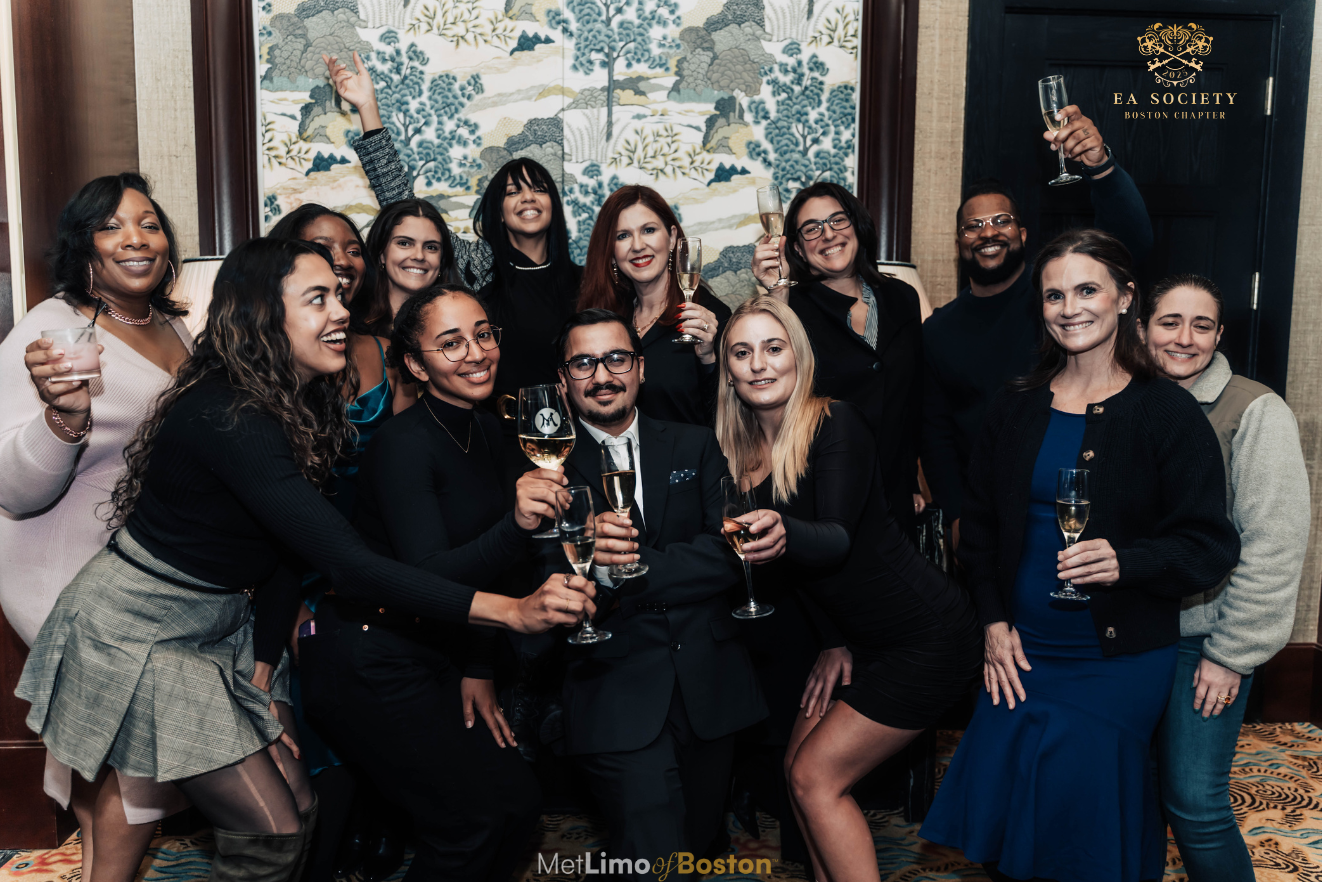
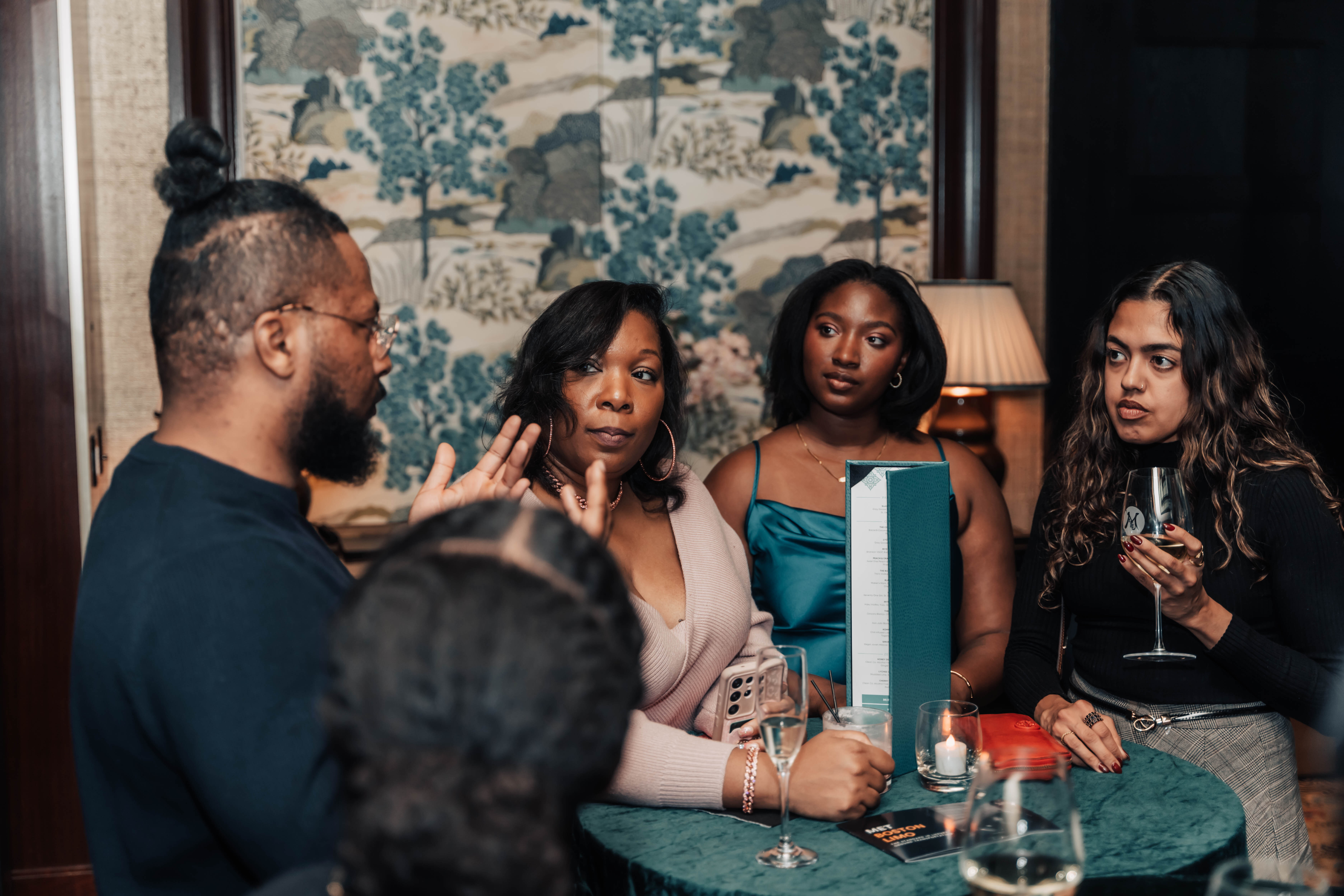
Every guest receives an invitation to the next EA Society dinner — the private peer network for chiefs of staff and executive assistants supporting Boston's most influential principals. Twelve curated evenings per year. Invitation only.
The function exists at every company that scales. The craft is almost never written about. The community is mostly private.
If a piece of copy on this show makes the work sound luxurious, glamorous, or aspirational, it gets rewritten until it makes the work sound operationally precise.
That is the test.